
You’ve been told to drain your pool every 3-5 years. That’s wrong. Most pool owners waste thousands draining perfectly good water — or worse, wait until their pool becomes a chemical nightmare that costs even more to fix.
The truth? Your pool will tell you when it needs draining. But you need to know what to look for before calcium deposits eat your equipment alive or your water chemistry becomes impossible to balance.
Here’s what we’ll cover:
- The real timeline for draining (hint: it’s not what Google says)
- 5 warning signs your pool is screaming for a drain
- When you should never drain your pool
- Cost-saving alternatives to full draining
We’ve helped Lehigh Acres homeowners save over $500,000 in unnecessary draining costs over 15 years. At Transparent Pool Service, we’ll test your water chemistry first — because sometimes all you need is the right chemical balance, not a complete drain.
The Real Timeline for Pool Draining
Forget the “every 3-5 years” rule you’ve heard everywhere. Your pool’s drain schedule depends on three factors that actually matter: water hardness, chemical use, and bather load.
Here’s the breakdown:
- High-use pools (daily swimmers, frequent parties): 2-3 years
- Average-use pools (weekend swimming): 3-5 years
- Low-use pools (occasional dips): 5-7 years
But wait — Florida throws a wrench in these timelines. Our hard water means calcium builds up twice as fast as in other states. Plus, year-round swimming means more chemicals, more often.
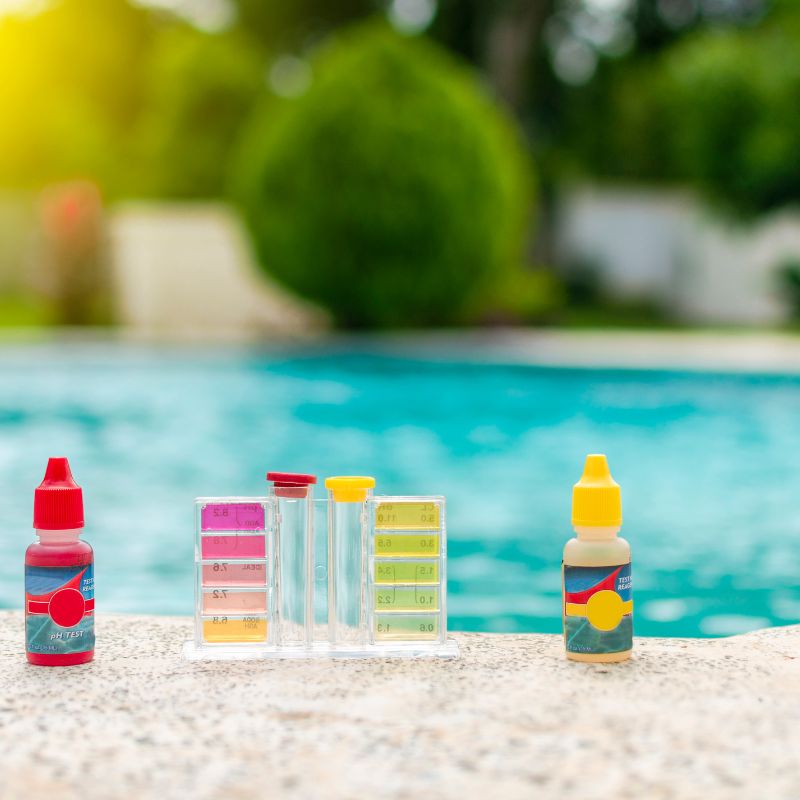
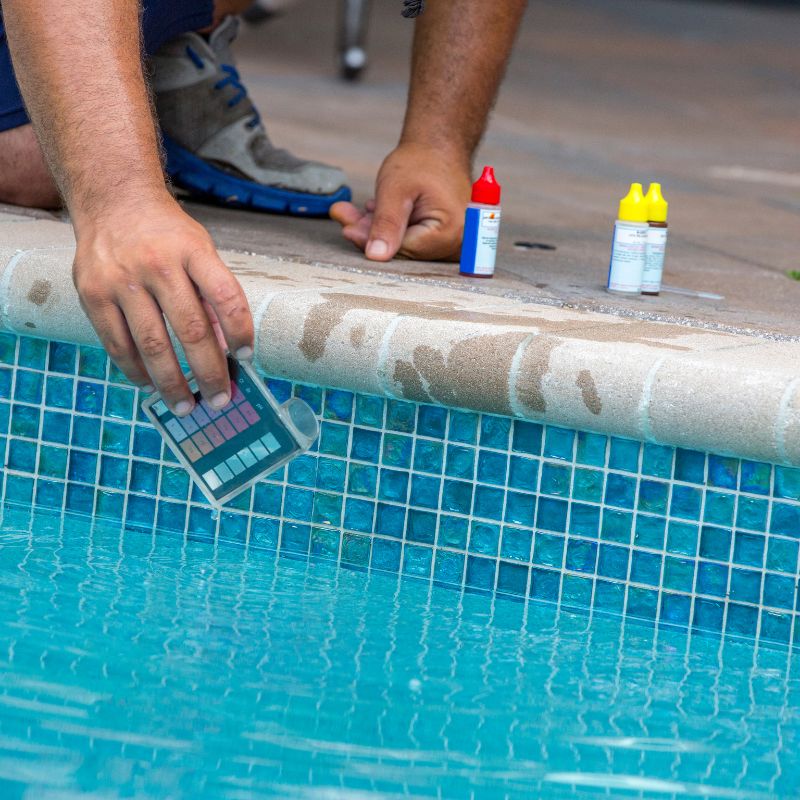
The real indicator? Your TDS (Total Dissolved Solids) level. Once it hits 2,500 ppm above your fill water’s baseline, you’re fighting a losing battle with chemistry. Testing strips won’t catch this — you need professional testing equipment.
Smart pool owners in Lehigh Acres test TDS annually after year two. Why? Because draining at the right time costs $400-600. Waiting until problems appear? That’s a $2,000+ headache involving new equipment, aggressive chemicals, and weeks of rebalancing.
Pro tip: Schedule your drain for late fall when water tables are higher. Draining during Florida’s dry season can literally pop your pool out of the ground.
5 Warning Signs Your Pool is Screaming for a Drain
Your swimming pool sends distress signals before complete failure. Missing these signs means watching your pool water turn green while your water bill skyrockets.
- Chemical Resistance That Won’t Quit: Adding pool chemicals, but nothing changes? When chlorine disappears within hours or your pH swings wildly despite constant adjustments, your water’s dead. TDS levels have maxed out, blocking chemicals from working.
- The Calcium Ring of Death: See that white line at your water level? That’s calcium scale building on your pool walls. Once it reaches a quarter-inch thick, it’s eating your pool’s surface and clogging your filter. Acid washing won’t fix this — you need to drain the pool completely.
- Stubborn Algae That Keeps Coming Back: You shock it. It dies. It returns in 48 hours. Persistent algae growth means organic waste has overwhelmed your water quality. Your pool filters can’t keep up, and no amount of scrubbing those walls will solve it permanently.
- Cloudy Water Despite Perfect Chemistry: Your test strips show perfect pool water balances, yet you can’t see the deep end. Microscopic particles have saturated your water beyond what any DE filter can handle.
- The Stain Parade: Brown spots spreading across your floor? Metal staining from oversaturated water. These stains bond permanently if left untreated for over six months.
When You Should Never Drain Your Swimming Pool
Draining a pool at the wrong time can cause $15,000+ in damage. Here’s when to keep that water exactly where it is.
- During Heavy Rain or High Water Tables: Florida’s rainy season creates intense hydrostatic pressure beneath your empty pool. The surrounding groundwater literally pushes your pool out of the ground like a boat. Wait until the water table drops — usually 48 hours after heavy rain stops.
- In Peak Summer Heat: Direct sunlight on an empty fiberglass pool in 95° weather? That’s a recipe for spider cracks and warping. The surface temperature hits 140°F, causing permanent damage within hours. Plaster pools fare slightly better but still crack from rapid moisture loss.
- Without Checking Local Restrictions: Many Florida counties ban pool draining during droughts. That sewer line can’t handle thousands of gallons when water treatment plants are stressed. Check restrictions or face $500+ fines.
- DIY Without Proper Equipment: A garden hose won’t cut it. You need a submersible pump or sump pump to prevent damage. Improper draining leaves water pockets that breed mosquitoes and create structural weak points.
At Transparent Pool Service, we monitor groundwater levels before any drain service. One Lehigh Acres client avoided a $12,000 pool replacement by waiting just three days for conditions to improve.
Cost-Saving Alternatives to Full Draining

Before dumping all that water (and cash), try these properly maintained pool solutions that sidestep high water bills.
- Partial Drain and Refill: Replace 25-30% of your pool water annually. This dilution method keeps water quality high without the risk of hydrostatic pressure damage. Your water source stays the same, but contaminants drop significantly. Cost: $150-200 vs. $600 for full drainage.
- Reverse Osmosis Treatment: Mobile RO units clean your existing water without draining. They remove calcium, metals, and TDS while you swim. Perfect for pools that aren’t quite at crisis level. Takes 12-16 hours and costs about $400.
- Chemical Purge Systems: New enzyme treatments break down organic waste that clouds warmer water. Combined with proper pool maintenance, these systems extend your drain timeline by 2-3 years. Weekly treatments run $30-40 monthly.
- Strategic Filter Upgrades: Switching from sand to DE filters doubles filtration efficiency. Your pool butler might suggest cartridge filters, but DE catches particles 10x smaller. This alone can postpone draining by 18 months.
The math is simple: avoid draining unnecessarily and save $400-600 per cycle. Most pools need these alternatives more than complete drainage. Any reputable pool company will test first, drain second — not the other way around.
Keep Your Pool Crystal Clear With Transparent Pool Service
Draining your pool isn’t about following a calendar — it’s about reading the signs and timing it right. Smart pool care means testing before draining and knowing when to wait.
Key takeaways:
- Test TDS levels annually after year two
- Watch for the five warning signs before they become expensive problems
- Never drain during rain or peak summer heat
- Try partial drains or RO treatment first
- Schedule drains for late fall when water tables are safe
Your pool is a major property investment that deserves expert attention. Transparent Pool Service tests your water chemistry first, explores alternatives, and only recommends draining when absolutely necessary. We’ve saved Lehigh Acres homeowners thousands by catching issues early through regular maintenance — not unnecessary drains.
FAQs
How do I know if my pool needs to be drained?
Test your TDS levels first. If they’re 2,500 ppm above your fresh water baseline, consider draining. Other signs include persistent cloudiness despite chemically balanced water, thick calcium deposits at the water line, or chemicals that stop working entirely. Most pools show multiple symptoms before needing a full drain.
What happens if you don’t drain your pool?
Ignoring drain signals leads to permanent staining, equipment failure, and impossible chemistry management. Calcium scale destroys pumps and heaters while high TDS makes chlorine useless. Eventually, your pool turns into an algae farm that costs 3x more to restore than preventive draining would have cost.
How long can you leave water in a pool?
With proper pool care, water lasts 3-7 years depending on use. Desert climate pools need more frequent draining due to rapid evaporation and mineral concentration. Florida’s year-round swimming and hard water typically means 3-5 years. Test annually and let water chemistry guide your timeline, not arbitrary dates.
Is it better to leave water in the pool over winter?
Always keep water in your pool during winter. Empty pools crack from temperature changes and shift from ground movement. The water weight stabilizes your pool structure and protects plumbing from freeze damage. Lower the level slightly below the water spigot, but never fully drain for winter storage.
Do inground pools need to be drained?
Yes, but less frequently than above-ground pools. The process varies by material — fiberglass every 5-7 years, plaster every 3-5 years. Some pools never need complete draining if you maintain perfect chemistry and remove debris consistently. Should a pool be drained? Only when alternatives fail and warning signs appear.